No: dividing a power bank’s 10,000 mAh headline by a phone’s 5,000 mAh battery does not establish two full charges. For an employee gift, approve the charging job you need—not a recharge count inferred from two labels.
A useful brief might be “top up a representative’s phone between customer visits.” That is a different requirement from “recharge an empty phone twice.” Sorting this out before ordering prevents an attractive gift card from promising more than the hardware documentation supports.
Read capacity together with voltage
Milliamp-hours measure charge, not energy on their own. Watt-hours incorporate voltage: Wh = (mAh ÷ 1,000) × V. Use the manufacturer’s stated cell voltage or Wh figure; do not substitute the USB port’s output voltage.
Anker’s explanation of nominal and rated capacity distinguishes the internal-cell rating from capacity delivered at a different output voltage. Conversion circuitry also consumes energy. Consequently, a lower output-capacity number does not by itself indicate a mislabeled or defective bank.
The Energizer Power Packs capacity FAQ makes the same distinction and notes that cable quality and the connected device affect efficiency. Neither explanation establishes a universal conversion percentage for every model, output setting or charging arrangement.
Worked example: compare energy, not headline numbers
Illustrative arithmetic only—not a catalog specification, measured test or performance promise. Suppose a bank’s documentation states 12,000 mAh at 3.7 V, and a hypothetical phone battery stores 20 Wh.
- Bank cell energy: 12,000 ÷ 1,000 × 3.7 = 44.4 Wh.
- Ideal energy ratio: 44.4 ÷ 20 = 2.22 phone-battery equivalents, before any losses or phone operation.
- If, solely for this example, 70% of that cell energy ultimately replenished the phone battery, the result would be 44.4 × 0.70 ÷ 20 = 1.55 equivalents.
The 70% is an invented scenario assumption, not a recommended efficiency factor. The lesson is that an ideal ratio and a delivered result answer different questions. Do not print “two full charges” from the first calculation, and do not turn the second into a product claim.
If documentation gives rated output capacity, record its voltage and specified test conditions. That is a different boundary from energy ultimately stored inside the phone. A capacity figure measured at the USB output does not automatically include the phone’s charging losses or energy used while its screen and apps remain active.
Use three evidence gates before approving a recharge claim
- Identify the exact kit. Obtain the bank’s model, cell Wh, rated output capacity and conditions if available, supported output specifications, and intended cable. Keep an unspecified figure marked unknown rather than calculating from an assumed cell voltage.
- Identify the charging job. Name the phone models, wired or wireless mode, expected starting level and desired finishing level. “A top-up during a break” needs a time window; “one full recharge” needs a defined start and finish. Capacity alone does not establish charging speed.
- Match evidence to wording. Ask for the manufacturer’s device-specific recharge claim and its conditions, or evaluate a representative kit under the intended conditions. If the evidence supports only portable charging, say that. Do not extrapolate one phone’s result to every recipient.
This is a proposed purchasing process; Brand Sauce has not conducted the sample check. A practical observation should record the bank and phone starting levels, phone activity, cable, charging mode, elapsed time and ending levels. Repeat under the intended use conditions before approving a specific promise. Percentage displays are useful observations, not laboratory energy measurements.
Copy this capacity-approval brief
Recipient job: ______
Exact bank and cable: ______
Cell energy from manufacturer: ____ Wh; document/link: ______
Rated output capacity and conditions: ______ / not supplied
Phone models and charging mode: ______
Required start, finish and time window: ______
Evidence: manufacturer claim with conditions / recorded sample observations / insufficient
Approved recipient wording: ______
Destination-country supply and decorated-kit quote: confirmed / pending
When evidence is missing, remove the numerical recharge promise or keep the order on hold if that promise is essential. This guide is not a verified product shortlist: exact catalog availability, decoration eligibility and destination-country supply require confirmation, and unconfirmed prices remain quote-needed.
Two separate checks may still apply. A bank that meets your capacity requirement does not necessarily support charging a phone while the bank itself recharges. For traveling recipients, use the separate power-bank flight checklist; capacity arithmetic is not airline approval.
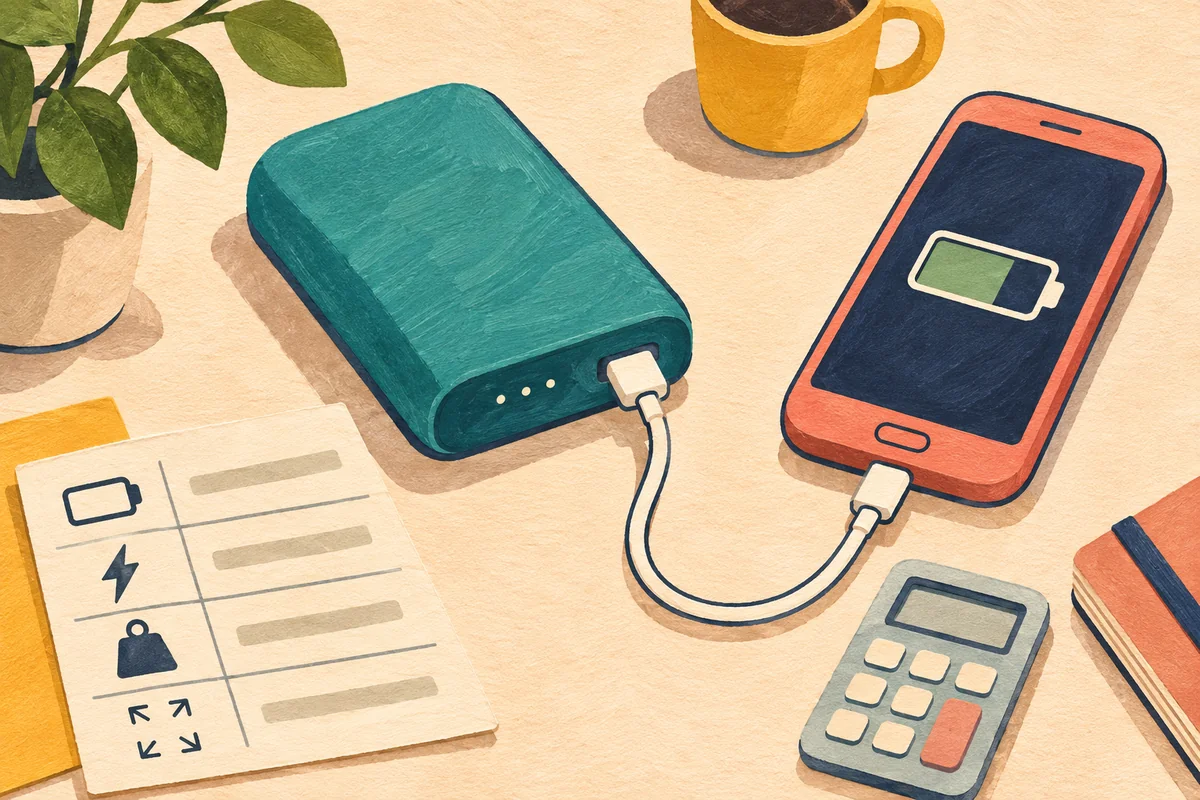
Image: AI-generated editorial illustration, not a product photograph or charging-test result. Sources checked November 5, 2026.