Choose a dry-bag gift by what fits with the top properly rolled and buckled—not by how much you can stuff into the open sack. For an outdoor volunteer thank-you kit, a towel and spare shirt are only a useful bundle if recipients can close the bag without removing half the gift.
There is no reliable universal rule to subtract a fixed percentage from the advertised liters. Some manufacturers already measure capacity with the closure rolled down. Others describe dimensions or older models differently. Ask what the number measures, then pack the actual kit into a sample.
Does the stated capacity include the rolled closure?
Sea to Summit's comparison of its 2022 eVent sacks and 2023 Evac bags makes the distinction explicit: the older range loses stated volume when rolled closed, while the newer range measures volume with the closure already rolled down. That is a model-generation example, not a conversion formula for all dry bags.
Request three separate details: usable volume when closed as instructed, dimensions in that same condition, and the width of the opening. A rigid gift box can fail to pass through the mouth even when its calculated volume is below the bag's liter rating. An open, flattened measurement is not a finished packed shape.
A buckle that connects is not enough
SealLine's manufacturer instructions call for at least three folds, with the sealing strips wrinkle-free and pressed together, trapped air released, and the buckle connected in the specified direction. Use the instructions for the exact bag being purchased; do not transfer that sequence blindly to another closure design.
Overfilling can leave enough material to connect a buckle but not enough to make the required folds. Treat that as a failed fit, not permission to omit a roll. Keep tags, ribbon, clothing edges and gift-note corners out of the closure area.
The pack-and-close approval checklist
This is a proposed purchasing check, not a waterproofness test or a report of Brand Sauce product testing. Use a production-representative decorated sample.
- Record the exact candidate. Save the model, size, current instructions and the supplier's explanation of its capacity measurement. Confirm the decoration method and position are approved for that bag.
- Assemble the complete contents. Include the actual towel, garment size, retail packaging and printed insert. If the clothing varies by recipient, include the bulkiest planned combination rather than only the smallest shirt.
- Check the mouth and base. Insert the kit normally. Do not force rigid packaging through the opening or use sharp corners against the bag. If presentation packaging prevents a comfortable fit, revise it before increasing every bag's size.
- Close exactly as instructed. Leave the required collar clear, release air as directed, make the full number of folds and secure the buckle. Photograph the closed sample and record the contents. Do not count an incomplete fold as a full one.
- Reopen and repack. Have a second reviewer follow the supplied instructions. A kit that closes only after an expert's elaborate folding routine needs simpler packing or a larger bag.
- Approve the configuration. Record pass, revise contents, or try another size. Retain the sample and packing photo. Recheck a substitute towel, heavier garment or replacement bag before release.
For the wider construction and exposure decision, see our guide to water-resistant versus waterproof employee bags. This checklist answers the narrower question of whether your chosen contents fit with the closure correctly made.
Worked example: the gift box is the problem
Illustrative scenario, not a product test: a conservation group's sample kit contains a folded volunteer shirt, towel and rigid presentation box. The contents enter the bag, but the box pushes into the collar and prevents the required folds. Removing the outer box lets the same shirt and towel pack below the closure area.
The next step is not automatically to order a larger bag. Decide whether the box contributes enough to the gift experience to justify a new size, quote and sample. If the bag itself is the presentation packaging, retain the simpler configuration and verify the final insert does not interfere. Our gift presentation versus shipping packaging guide helps separate those jobs.
Correct closure does not create an immersion rating
The ORTLIEB Dry-Bag page specifies IP64 protection and requires three to four rolls secured downward. Its stated water protection is against splashing, not an immersion rating. A successful packing check cannot upgrade that specification. Do not advertise a generic roll-top gift as a swimming float, underwater phone case or guaranteed protection for valuables.
The manufacturer examples above explain measurement and closure requirements; they are not a verified Brand Sauce catalog shortlist. Confirm the exact decorated model, destination-country availability and lead time before offering it. Pricing remains quote-needed.
Copyable supplier approval note
Please quote a roll-top bag for [complete contents and garment-size range] delivered to [countries]. State whether capacity and dimensions are measured open or correctly closed, and provide the current closure instructions and use limitations. Supply a decorated sample with [artwork and position]. Approval requires the full kit to fit with every required fold completed and the buckle secured. No change to bag model, contents or packaging without a new fit check.
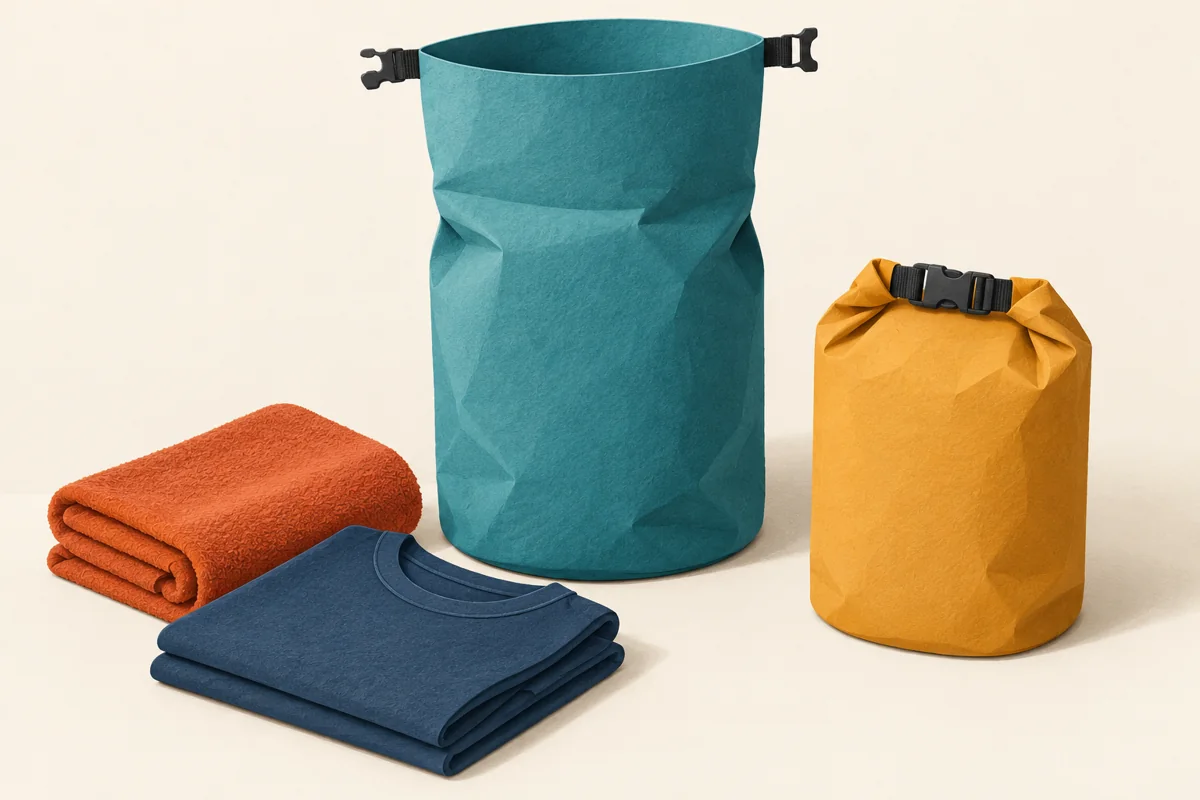
Image: AI-generated editorial illustration of open and closed dry bags; not a product photograph or evidence of testing.