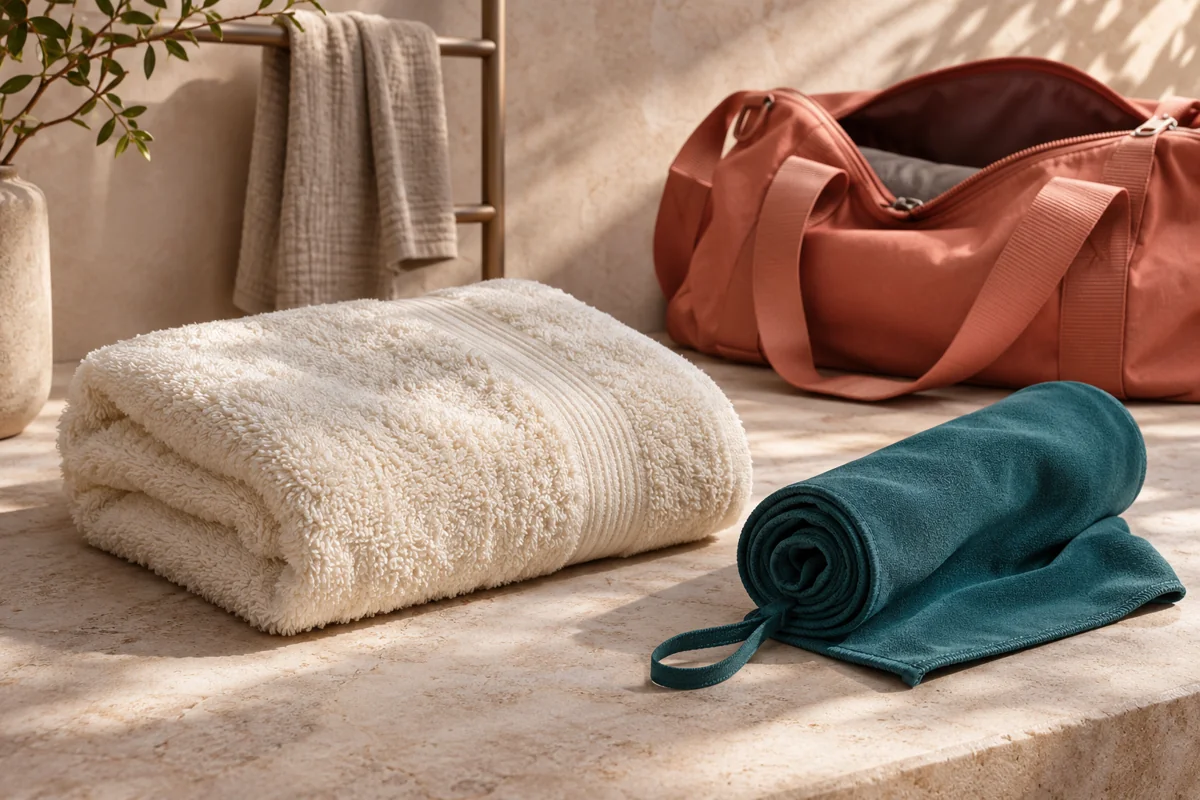
Choose cotton terry when the gift should feel like a familiar bath or pool towel; shortlist a compact microfiber towel when carrying and drying it between uses matter more than plushness. Neither material name establishes the winner. Approve the exact towel, decoration and care instructions together, using the recipient’s real use case.
A towel that feels impressive in a presentation box may be inconvenient in a commuter bag. A small travel towel may pack beautifully but disappoint someone expecting a generous bath sheet. This guide helps company-store buyers decide between those experiences and release a specification that survives ordering, laundering and replenishment. It is Brand Sauce editorial guidance, not a report of laboratory tests or a promise that the manufacturer examples below are available through our catalog. Sources checked November 2, 2026.
Start with the job, not the material preference
Write one sentence describing where the towel goes immediately before and after use. “Employee carries it to the gym, dries off after a shower, then takes it home” is a useful brief. “Premium wellness gift” is not yet a functional specification.
Separate a personal gift from an operational towel pool. A recipient can decide how to wash a gift at home. A fitness center issuing towels repeatedly needs its laundry operator to approve the product and replenishment plan. A towel suitable for occasional personal use is not automatically suitable for the facility’s processing requirements.
| Intended experience | Candidate to sample first | What could reverse the decision? |
|---|---|---|
| Home shower or relaxed poolside gift | Cotton terry with the desired coverage and hand feel | Recipient wants a lighter towel or lacks convenient drying space |
| Commuter gym or travel kit | Compact microfiber in an adequate body size | Surface feel, coverage or care requirements disappoint the recipient |
| Large beach or picnic-style towel gift | Compare full-size candidates in both constructions | Packed size, ground feel and decoration matter more than the fiber label |
| Facility-owned, repeatedly issued towels | Products approved by the laundry operator | Required wash process excludes an otherwise appealing gift towel |
These are sample-selection recommendations, not universal performance rankings. If the recipient population includes both home-focused and travel-focused preferences, two clearly differentiated options can be more useful than one compromise. Keep those options understandable rather than filling the store with nearly identical towels; our company-store assortment guide explains that broader decision.
Compare constructions, not just “cotton versus microfiber”
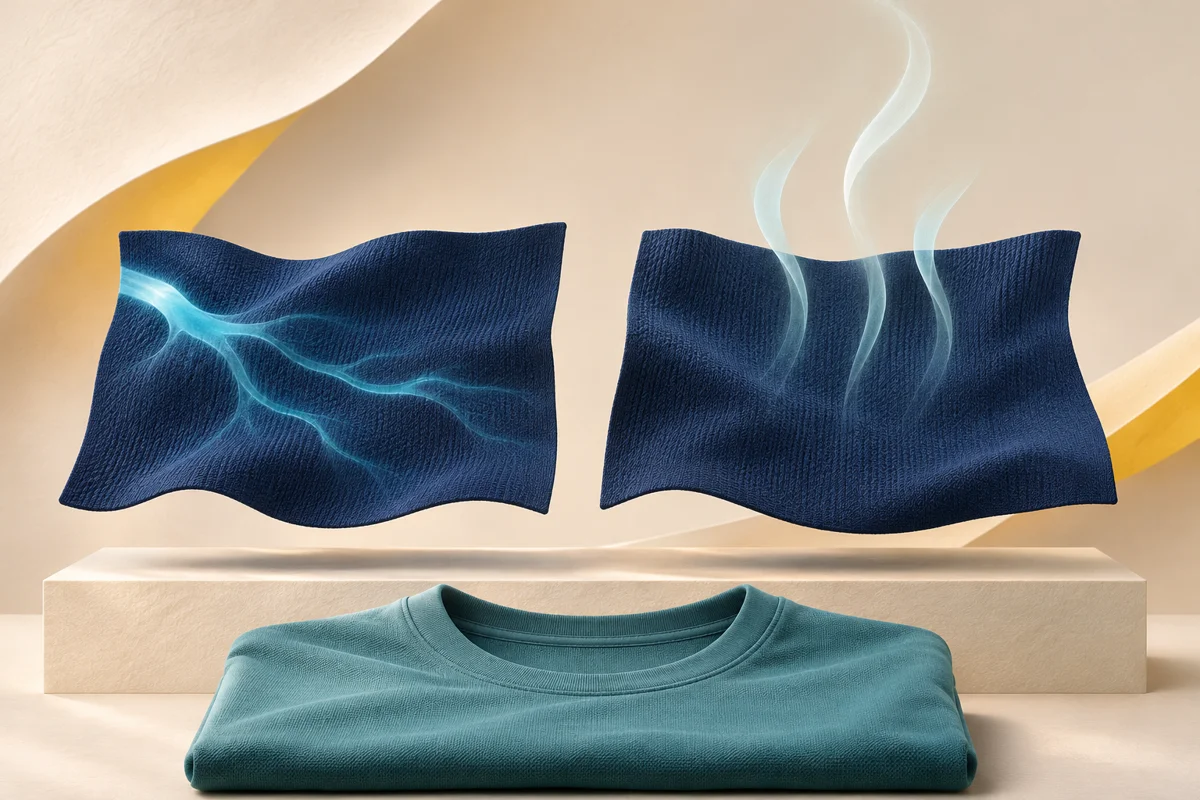
Ask the supplier for fiber composition, construction, dimensions, finished weight and care label. “Cotton” does not tell you whether the towel is plush terry or a thin flat weave. “Microfiber” does not tell you its exact blend, thickness or surface. Two towels with similar merchandising language can feel and behave differently.
As one concrete manufacturer example, the current PackTowl Personal specifications list an 80% polyester, 20% nylon material and several sizes. That verifies the composition of that model, not every microfiber towel. Its manufacturer promotes quick drying and compact packing; those claims should not become a blanket numerical promise for unrelated promotional towels.
For a cotton example, Tekla describes its towels as organic cotton terry and supplies product-specific care advice. That is evidence about Tekla’s range, not permission to apply its laundering instructions to any cotton gift towel.
GSM is fabric mass per unit area, not a universal score for comfort, drying or quality. First compare usable dimensions, then weight and packed volume. A lower-GSM large towel may still occupy more space than a higher-GSM small one. For the narrower weight-selection question, see our gym-towel GSM checklist. Here, the decision is whether the whole material-and-care package fits the program.
Do not turn a fiber choice into an unsupported sustainability verdict. A recycled-content claim, a cotton claim and a statement about service life answer different questions. Request evidence for the specific claim you intend to display, and avoid calling either option “greener” solely because of its material name.
Run a sample trial that answers the buying question
Order comparable sample sizes where possible. Record the exact model, color and dimensions so an attractive sample does not silently become a different production item. Keep an undecorated reference when decoration is still being developed, but make the final decision using a decorated sample.
The following is a practical acceptance exercise, not a standardized absorbency or drying test. Do not publish its observations as scientific comparisons. Its purpose is to uncover problems before employees receive the order.
- Check coverage. Unfold the towel fully. Decide whether its usable area suits the stated task. A compact package should not hide unexpectedly small dimensions.
- Check contact feel. Invite a small voluntary group to assess the surface and edges. Ask about comfort rather than asking which material sounds more premium.
- Check actual packing. Fold each candidate into the bag or kit it must accompany. Include the pouch, packaging and any other gift components.
- Check after-care performance. Launder each sample according to its own instructions, then inspect dimensions, seams, feel and decoration. Record the process used.
- Check the drying opportunity. In a consistent setting, observe whether the sample is ready for the next intended use. Note airflow, hanging arrangement and remaining dampness; do not invent a universal drying-time claim.
Set the acceptance rule before looking at the samples. For a travel gift, that might mean “fits the agreed pouch, gives sufficient body coverage, and has a care routine recipients can reasonably follow.” For a home gift, it might prioritize feel and coverage with fewer constraints on packed size. Neither rule requires a fabricated numeric quality score.
If one candidate fails, distinguish a material problem from a particular model problem. An uncomfortable edge or insufficient width does not establish that all microfiber towels are unsuitable. A bulky sample does not establish that all cotton towels are impractical for travel.
Approve the logo without sacrificing the towel
Ask where the decoration will sit when the towel is used, folded and hung. A design that reads beautifully flat may disappear in the intended presentation fold. Conversely, a large decorative area may occupy the section the recipient wants against their skin.
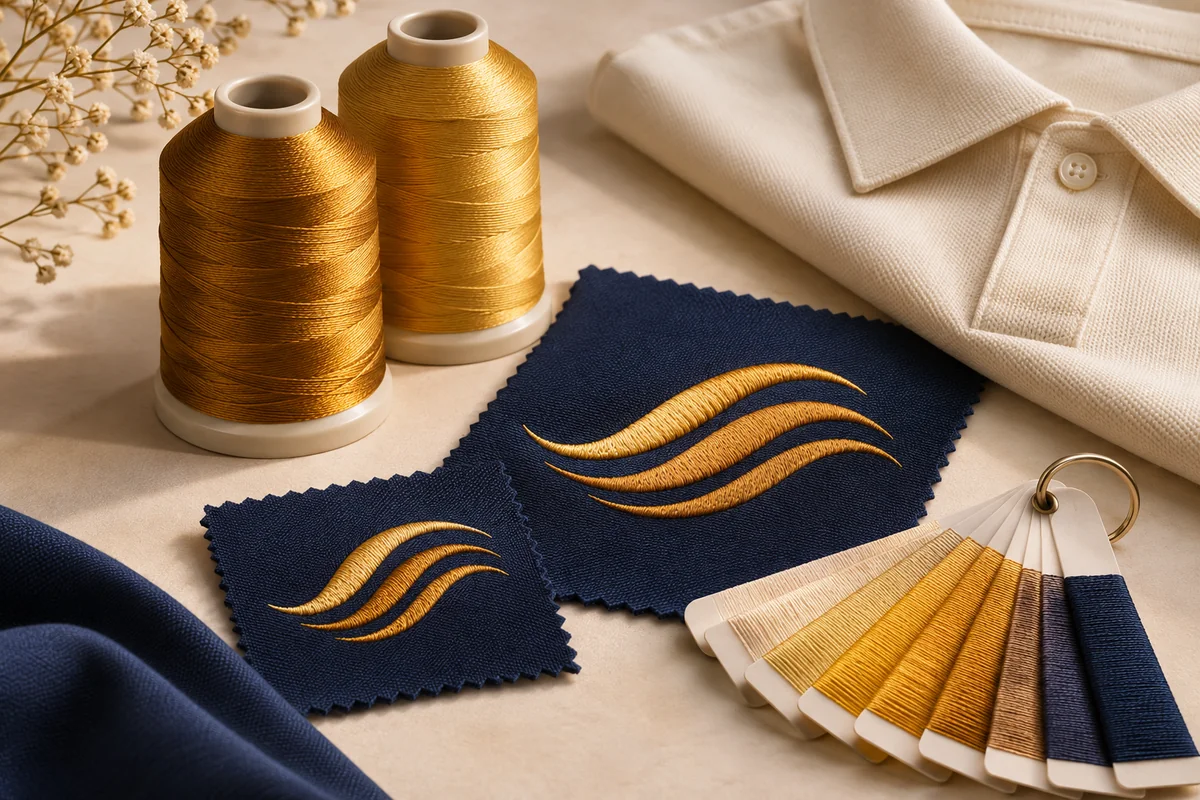
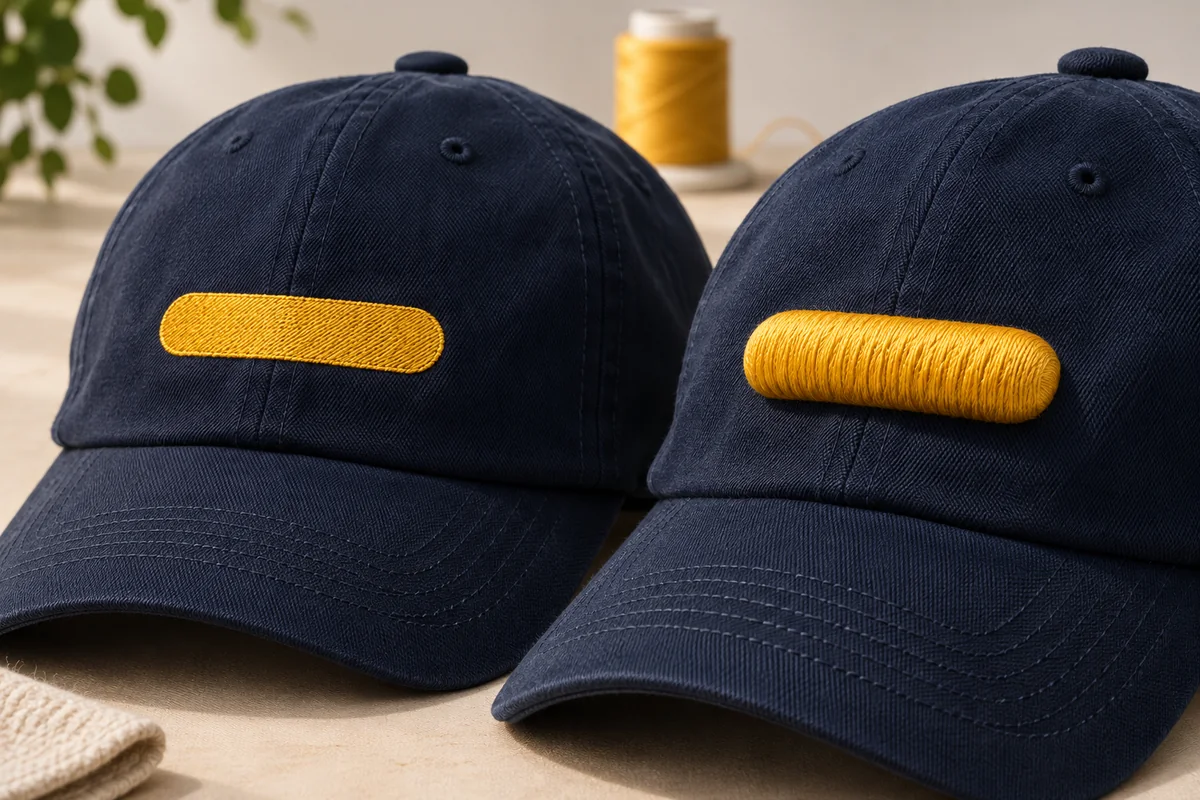
Have the decorator identify a suitable method and placement for the exact construction. Do not specify embroidery, transfer or an all-over print solely because it worked on a previous towel. Inspect both sides of the finished sample and check edges, stitching, stiffness and visible changes after the agreed care trial.
For an embroidered option, examine the reverse as carefully as the logo face. For a printed option, compare the decorated and undecorated areas by touch and inspect the design after washing. These are approval tasks, not a claim that one decoration method always performs better. Our decorated-sample approval framework provides a useful recordkeeping approach, although a towel needs its own use-specific checks.
Keep the final approved sample or a documented reference with photographs of the front, reverse, label and fold. A product photograph alone cannot preserve the feel of the decoration. If replenishment uses a different blank, require renewed approval rather than treating a matching color name as equivalence.
Resolve the laundry route before publishing the product
Care compatibility can eliminate a candidate before price negotiation. Cascade Designs’ PackTowl care instructions call for a first wash, cold water with similar colors, no bleach, ironing or fabric softener, and air drying or low tumble drying. They also advise drying thoroughly before extended storage. Those are useful requirements to show recipients, not optional fine print.
Tekla separately advises avoiding fabric softener because it interferes with absorption. This illustrates why a familiar household routine may not match a towel’s instructions. It does not establish that cotton and microfiber should receive the same complete wash cycle.
For a company-owned towel pool, give the laundry operator the proposed blank’s instructions and the decorator’s requirements. Request written compatibility confirmation for the actual process. If the two sets of instructions conflict, resolve the conflict or reject the candidate. Do not improvise a hotter wash, stronger chemical or different dryer setting to make procurement easier.
For a personal gift, display concise care requirements before selection and retain the full label with the towel. A useful choice label is “compact travel towel; cold wash; low tumble or air dry,” provided the selected product supports it. “Easy care” is too vague when the employee must change their routine.
Use on-demand, bulk or hybrid according to the program
On-demand can suit an ongoing employee-choice store when the exact towel and decoration are available in low quantities. Confirm the minimum quantity, setup, production time and delivery destinations rather than assuming every towel supports single-unit ordering. Price, decoration eligibility and country availability are quote-needed for the proposed configuration.
Bulk can make sense for a scheduled retreat, a fixed-size kit assembly or a facility needing immediately available replenishment stock. Include storage, packaging and likely leftovers in the comparison. A low unit quote is not the entire program cost, but neither is carrying stock automatically wasteful.
A hybrid might hold a small operational supply while personal gifts remain recipient-selected. Keep those inventories and ordering rules separate: a facility’s standard towel should not be substituted for an employee’s chosen gift simply because it is already on the shelf.
Illustrative planning example: a company is considering towels for 120 people, but only 70 have selected a towel so far. Compare a quote for the 70 confirmed selections with any larger-run minimum and the cost of maintaining the remaining stock. Do not assume the other 50 will eventually want the same item. This is a decision scenario, not a measured redemption rate or a savings claim.
Release a complete specification, not a material name
Before ordering, the program owner should be able to hand a replacement buyer this short record:
- Use: personal home, gym, travel, event or facility-issued towel.
- Product: manufacturer, exact model, color, composition, construction and usable dimensions.
- Presentation: required fold, packed dimensions, pouch and any kit fit constraint.
- Decoration: approved method, artwork version, placement and reverse-side acceptance.
- Care: final instructions compatible with both blank and decoration; laundry approval where relevant.
- Commercial scope: quantity, destination, delivered quote, setup, lead time and replacement route.
- Change control: no different blank, size or decoration method without approval.
When those details are documented, the store can describe the experience honestly: plush home-use towel or compact travel option, with visible dimensions and care. That is more useful than declaring either material the universal premium choice.
Frequently asked questions
Is microfiber always faster drying than cotton?
Do not apply a model-specific manufacturer claim to the entire category. Construction, size, remaining water and drying conditions matter. Compare the exact candidates under the intended use conditions, and keep any quoted performance claim tied to its source and model.
Should a towel gift include a storage pouch?
Only if it improves the intended experience. Check that the towel fits after an ordinary fold, not just a factory-perfect roll. Explain that storage packaging is not a substitute for following the product’s drying instructions.
Can we use the same towel for gifts and facility service?
Possibly, but approve both uses independently. The facility’s laundering and replacement requirements may be different from a personal gift’s requirements. Purchasing one SKU is useful only when that SKU satisfies both briefs.
What should we request from Brand Sauce?
Ask for a use-specific shortlist and a quote covering the exact towel, decoration, quantity and destination. Supply the release checklist above. Treat manufacturer examples in this guide as educational references, not confirmed Brand Sauce offers or endorsements.