Choose a dated planner when recipients want a ready-to-use calendar and will receive it before its useful start date. Choose undated when people will start at different times—and are happy to add their own dates. For a year-end employee gift, that is a more useful first decision than cover color.
A dated book is not automatically the wrong choice for a late recipient. Someone receiving a January–December planner in February may still want the remaining year. The mistake is presenting that as twelve fresh months, or handing out leftover dated stock to new hires without explaining its coverage.
Check the planning pages, not just the year on the cover
Manufacturers use different spans. Moleskine’s planner guide describes its 12-month dated format as January–December and its 18-month format as July–December of the following year. An 18-month edition bought for a January gift therefore does not necessarily give the recipient eighteen future months.
Also distinguish working pages from reference calendars. The US listing for the LEUCHTTURM1917 Weekly Planner & Notebook 2027 specifies January–December 2027 weekly pages alongside a three-year overview for 2026–2028. That overview does not turn it into a three-year appointment book.
These are current manufacturer examples, not a Brand Sauce catalog shortlist. They establish format differences; they do not establish branded stock, delivery commitments or availability in every destination country. Exact edition, decoration, quantities and country coverage remain supplier-confirmation items; a branded order is quote-needed.
Use this three-question selection rule
- Do recipients want a paper planner? If this is unknown, offer it as a choice rather than assuming everyone wants another calendar. A notebook is an alternative, not an equivalent appointment layout.
- Will the gift reach them before the intended planning period? If yes, a dated version can remove setup work. If delivery is staggered, compare an undated option or separate dated editions matched to each cohort.
- Will they fill in dates? Undated flexibility comes with a task. If recipients want to flip directly to a future appointment, preprinted dates may be more convenient. Do not solve a stock problem by handing them a format they dislike.
For the book itself, paper and binding checks still matter. Ask to see an actual weekly spread: a compact weekend, missing hourly slots or a notes-heavy layout can matter more than the dated/undated label.
Undated does not mean unlimited—or completely blank
The Moleskine Undated Classic Planner lists twelve customizable month dividers, five undated weeks per month and a weekly layout opposite a notes page. It provides structure without fixing the dates. Other undated books may allocate pages differently; do not assume the same capacity.
Before approving an undated sample, try entering one real month and a week crossing a month boundary. Decide where the overlapping days belong. Check whether reference pages, supplied stickers, an introductory calendar or your own cover artwork still contain a year. Printing “2027” on an otherwise undated book makes next year’s leftovers less versatile.
A worked example: one December handout and rolling new hires
Illustrative planning example, not a customer result: a design studio expects to hand gifts to 36 employees in December and welcome up to 12 new hires at uncertain dates next year. It wants to offer a planner, but does not yet know everyone’s preference.
- December group: collect the planner choice before committing quantities. Offer a 2027 dated edition only if the supplier confirms delivery before the agreed start date.
- Rolling hires: keep an undated option available if its setup suits recipients, or let each hire choose from the then-current offer. Do not automatically reserve twelve dated books merely because twelve hires are forecast.
- Late delivery: tell recipients the remaining date coverage and let them keep that choice or select the agreed alternative. Do not silently substitute undated for dated.
The example separates demand, timing and format; it does not claim inventory savings. Work backward from the required arrival date with the delivery-deadline planning guide.
Copy this planner order brief
- Audience and choice: who requested a planner; dated or undated preference; alternative offered.
- Exact edition: supplier SKU, size, language, week-start day, layout and cover treatment.
- Usable coverage: first and last planning dates, or count and organization of undated sections; reference years recorded separately.
- Delivery: recipient-needed date by cohort and destination country; supplier commitment confirmed, not inferred from retail stock.
- Late-recipient rule: latest acceptable dated handout date, who reviews remaining coverage, and what alternative can be offered.
- Proof: interior sample reviewed; year-bearing cover or inserts checked; final decoration, quantity and quote approved.
Bottom line: buy the period people will actually use. Dated removes date-entry work; undated lets recipients choose their starting point. Neither benefit is universal.
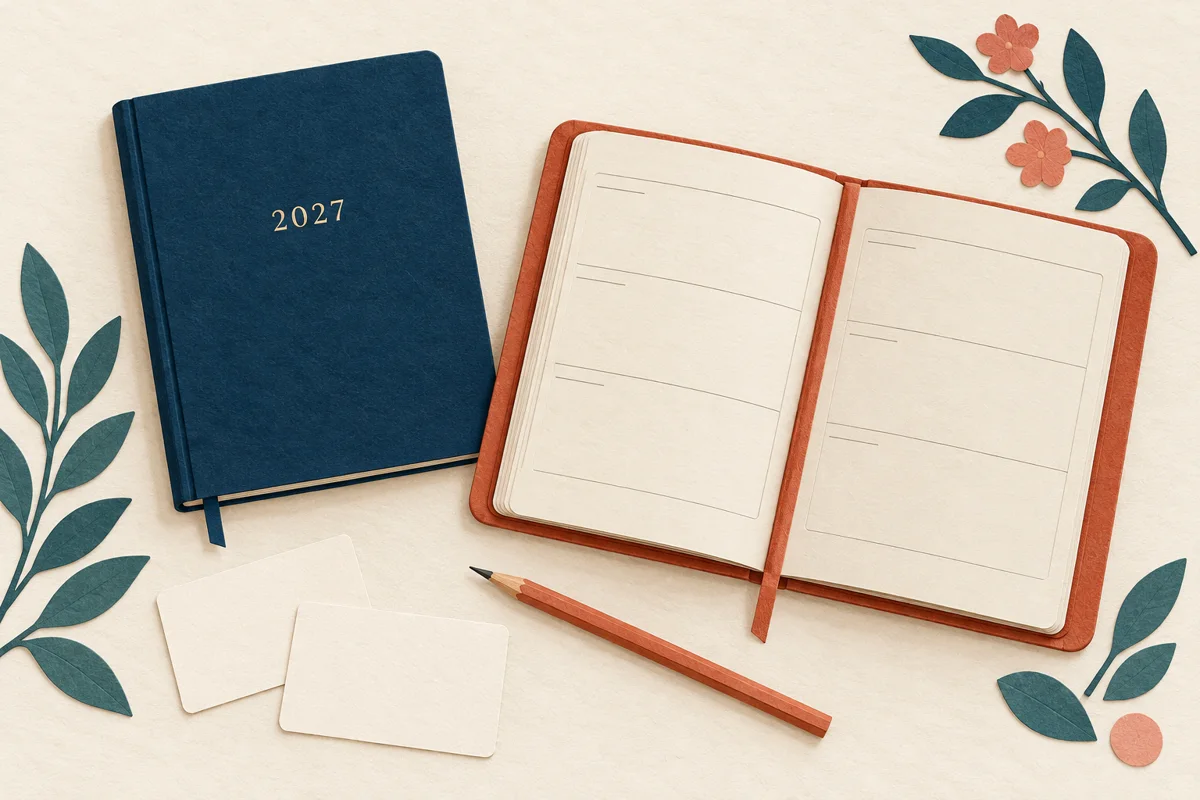
Image: AI-generated editorial illustration, not a product photograph. Manufacturer pages checked October 27, 2026.