Choose a travel jewelry case by how it holds the pieces, not by the number of compartments. A row of earring holes may suit studs but leave large hoops without a home. A necklace hook is only part of the answer: the rest of the chain and pendant need somewhere to go when the case closes.
For a retreat gift or travel-themed employee choice menu, ask to see the organizer open, loaded and closed. The exterior dimensions and a neat empty-case photo cannot answer that packing question.
Count usable positions, not just holes
Start with the intended packing mix. Someone carrying two necklaces and a pair of hoops needs different storage from someone carrying several pairs of studs. Do not turn a maximum capacity claim into a promise that every combination fits.
For example, Away’s Featherlight Jewelry Roll lists room for up to four necklaces, ten pairs of earrings and eight rings, plus protective flaps and a tie closure. Its stated dimensions are measured open flat. Those details are useful questions for a supplier, not proof that a particular pendant, earring back or chunky ring fits. The Blush Pink page showed out of stock when checked on October 28, 2026; it is a specification example, not an available-to-order recommendation.
Dagne Dover’s Frankie page distinguishes small and large cases and describes hoop loops, padded ring slots and snap closures. That is a reminder to specify the exact size and interior layout, not just a product family name. Neither manufacturer example establishes Brand Sauce catalog availability, decoration eligibility or supply in a particular country. Those remain confirmation-needed, with branded pricing quote-needed.
The open–load–close selection card
Use inexpensive representative accessories for this buyer walkthrough, not valuable jewelry. Record the pieces used so a replacement model can be assessed against the same brief. This is a proposed fit check, not a test Brand Sauce has performed.
- Trace each necklace’s route. Where is the top secured, and where does the remaining chain sit? Try the longest chain and largest pendant in your intended mix. Prefer a layout that lets you keep separate chains apart without pushing spare length into a shared pile. Check whether loading requires opening a tiny clasp or simply opening a tab.
- Load earrings with their backs attached as intended. Check clearance behind the panel and the space between positions. For hoops or drop earrings, look for a loop or compartment that accommodates their shape. Count actual pairs that fit without forcing adjacent pieces together; an advertised hole count is not your acceptance result.
- Try rings and any bulky accessory. Confirm that ring slots accommodate the intended band and setting. If a watch or bracelet is part of the brief, give it a defined space instead of assuming the central cavity will remain empty.
- Close the fully loaded organizer. Flaps should cover the intended areas and the zip, snap or tie should close without being forced. Watch for chains entering the zipper path and earring posts pressing into neighboring pieces. Measure the packed case, especially if the published dimensions describe it laid flat.
- Reopen and retrieve one item. Can someone remove one necklace without emptying the whole case? Can they manage the tabs and closures comfortably? If not, a simpler compartmented option may be the better gift even if its stated capacity is lower.
Decision rule: approve against a written packing mix, with a closed-case photo and a retrieval check. If it only accommodates studs and small rings, describe that limited use accurately instead of calling it a universal jewelry organizer. Do not add anti-tarnish, waterproof or crush-protection claims unless the exact product’s documentation supports them.
Example: a compact retreat gift
Hypothetical selection example: an event team wants a small organizer that fits two necklaces, one pair of hoops and two rings. Candidate A has more earring holes but no suitable hoop space. Candidate B has fewer holes but accommodates the stated mix and closes without forcing the lid. The team selects B for that brief—not because it has proved superior protection, but because its layout matches the intended use.
Offer the case as a choice rather than assigning it by gender or assuming everyone wears jewelry. Our accessible gift-selection guide covers making alternatives available. If the approved model sells out, preserve the interior requirements in the substitution brief; matching the outside color is not enough.
Copyable supplier brief: “Please confirm the exact model, size, interior layout, closed loaded dimensions and destination-country availability. Our packing mix is [pieces and dimensions]. Supply open and closed sample photos, care instructions and the proposed decoration location. Do not substitute a different layout without approval. Quote the confirmed item and branding.”
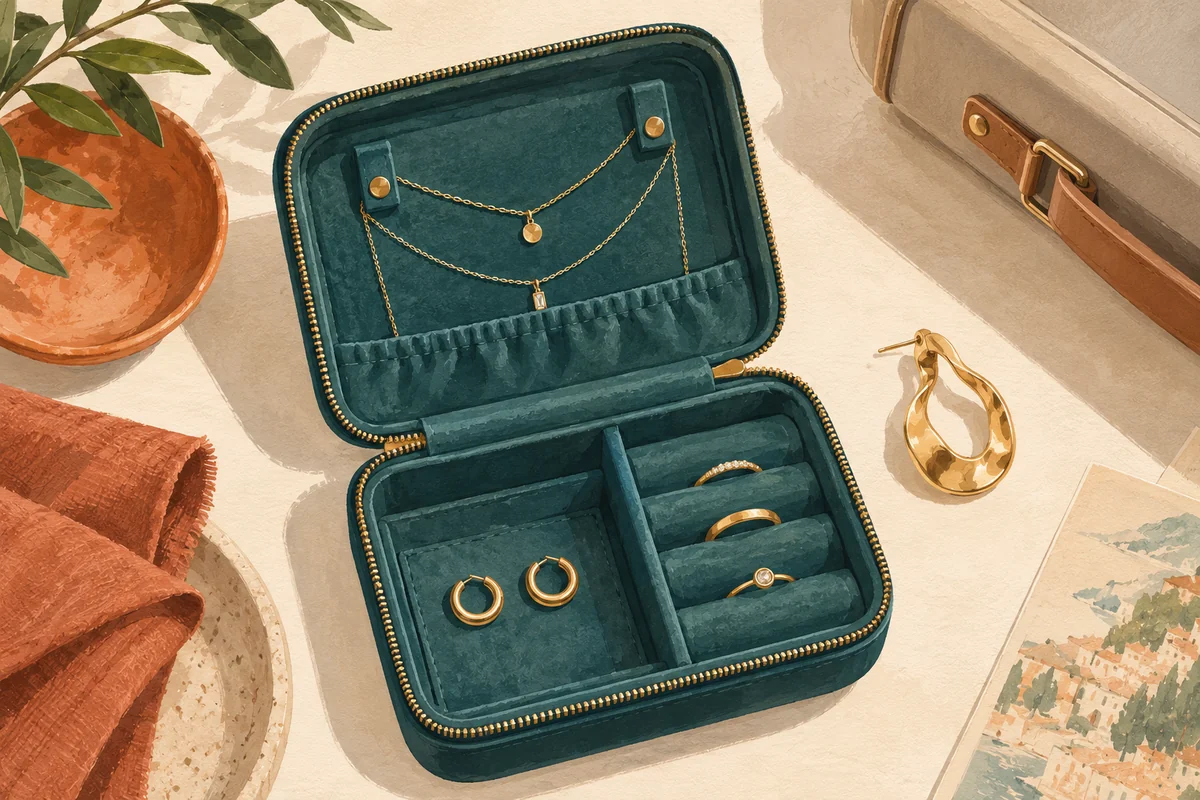
Image: AI-generated editorial illustration of a generic organizer, not a catalog photograph or a product-test result.